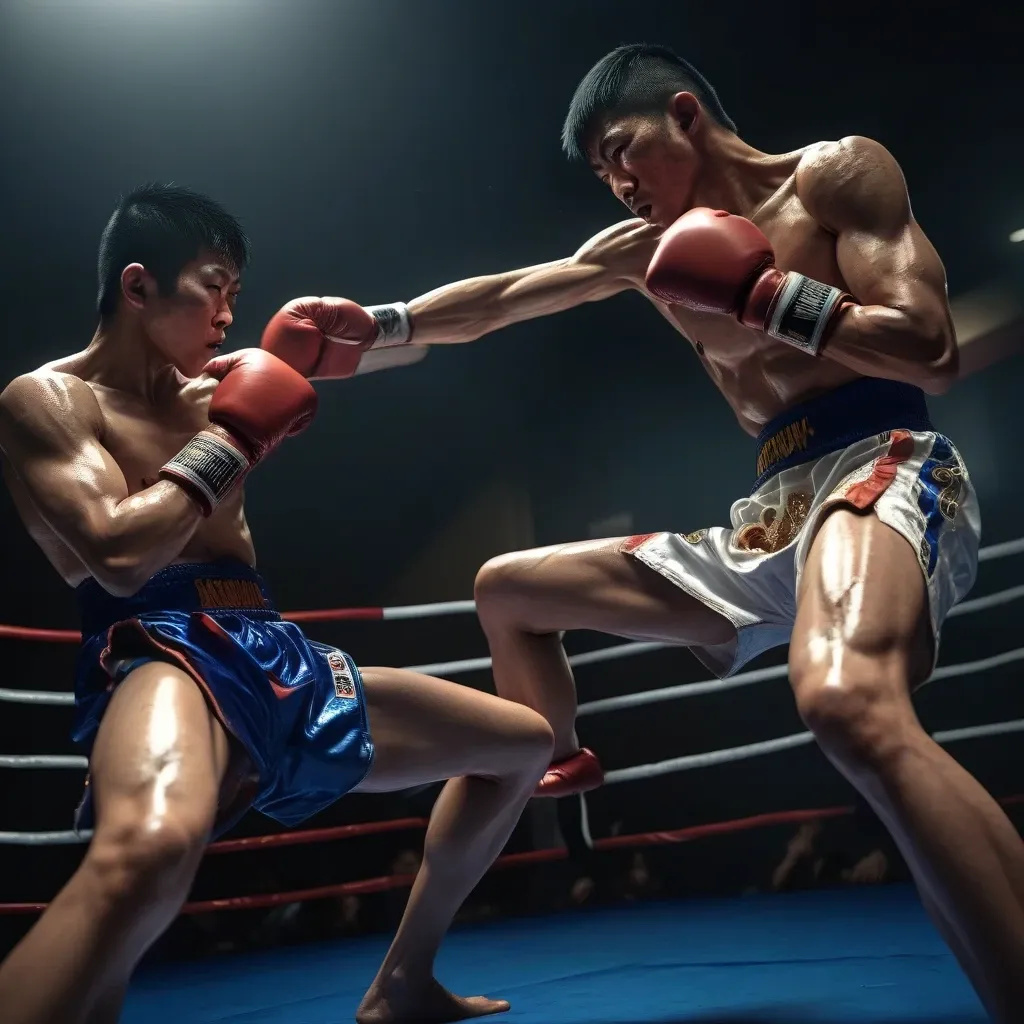
The world of strawweight boxing is undergoing a seismic shift, with Asia emerging as the undisputed epicenter of talent. Forget the familiar narratives; a new generation of fighters is rewriting the script, injecting raw power and unprecedented skill into the lower weight classes. This isn’t just a fleeting trend; it’s a full-blown revolution, reshaping the landscape of the sport.
For years, the strawweight division has been a battleground for warriors from across the globe, but now, a surge of Asian contenders is not only challenging the established order but outright dominating it. These athletes aren’t just participants but are quickly becoming the main attractions, drawing eyes and shattering expectations with every fight. From the bustling gyms of Bangkok to the disciplined dojos of Japan, a fresh crop of rising stars is honing their craft, poised to claim their place among boxing’s elite.
Having witnessed the evolution of boxing across Asia for many years, I’ve had the privilege of seeing firsthand the dedication and drive that fuels these fighters. This article will delve into the exciting world of Asian strawweight boxing, spotlighting the emerging talents to watch and exploring the factors behind their meteoric rise. Get ready to meet the future champions who are ready to rule the ring.
The State of Strawweight Boxing in Asia: An Overview
The strawweight division in Asian boxing is a dynamic and evolving landscape, teeming with talent and potential. While exact figures fluctuate, estimates suggest there are hundreds of professional and amateur strawweight boxers across the continent, each vying for recognition on a national and international stage. The allure of boxing, combined with the discipline it instills, continues to draw aspiring athletes to the ring.
Certain nations stand out as powerhouses in Asian strawweight boxing. Thailand, with its rich Muay Thai heritage, seamlessly transitions fighters into boxing, producing technically sound and resilient competitors. The Philippines, a nation obsessed with boxing, boasts a dedicated training infrastructure and a constant stream of hungry young talents. Japan, known for its disciplined approach and sophisticated boxing gyms, consistently develops highly skilled strawweight fighters. Uzbekistan, with its strong emphasis on Olympic-style boxing, is quickly emerging as a force, providing its boxers with a solid foundation.
Asian strawweight boxers have a celebrated history, capturing numerous world titles and thrilling fans with their speed, agility, and tactical prowess. The support system for these fighters varies from country to country. In some regions, government programs and private sponsorships provide crucial funding and resources. In others, boxers rely heavily on local gyms, supportive communities, and the unwavering dedication of their trainers. Despite the challenges, the passion for boxing burns bright, fueling the dreams of countless strawweight hopefuls across Asia.
Spotlight on Emerging Stars
Asia’s boxing scene is a hotbed of burgeoning talent, with fighters emerging from various corners of the continent, each carrying the hopes of their nation and the dream of global domination. These emerging boxers display a mesmerizing blend of skill, determination, and cultural fighting heritage. This section delves into the profiles of some exceptional boxing prospects, dissecting their fighting styles, identifying their strengths and weaknesses, and projecting their potential impact on the world stage.
Fighter 1: Arnel Baconaje, Philippines
Arnel “The Silencer” Baconaje, hailing from the Philippines, is a name whispered with anticipation among boxing aficionados. A seasoned professional, Baconaje brings a wealth of experience to the ring. He boasts an impressive professional record, showcasing the ruthless power and strategic adaptability that define his boxing style. Baconaje fights with an orthodox stance, showcasing a calculated, aggressive approach. He patiently stalks his opponents, waiting for openings to unleash devastating combinations. His power is undeniable, with a significant portion of his victories coming by way of knockout. One of Baconaje’s most significant strengths is his ability to close the distance and fight effectively in the pocket.
However, Baconaje’s aggressive style sometimes leaves him vulnerable to counter-attacks. Improving his head movement and defensive footwork would make him an even more formidable opponent. In a bout against a crafty, elusive opponent, Baconaje sometimes struggles to maintain his relentless pressure, indicating a need to develop alternative strategies for fighters who can effectively evade his initial onslaught. Despite these areas for improvement, Baconaje’s raw power and unwavering determination make him a thrilling fighter to watch and a serious contender in his division.
Fighter 2: Bakhodur Usmonov, Tajikistan
Bakhodur Usmonov is a southpaw boxer representing Tajikistan. With a background in amateur boxing, Usmonov brings a refined technical skillset to the professional ring. His style is characterized by exceptional ring generalship and a knack for controlling the pace of a fight. Usmonov’s ability to switch stances fluidly makes him a difficult target to read, keeping his opponents constantly guessing. His hand speed is another significant asset, allowing him to pepper opponents with lighting-fast jabs and combinations. He uses angles effectively, creating openings and disrupting his opponent’s rhythm.
While Usmonov possesses a well-rounded skillset, he sometimes lacks the killer instinct needed to finish opponents. He tends to be content with accumulating points, rather than aggressively pursuing a knockout. Increasing his punching power and developing a more assertive offensive strategy would elevate him to the next level. Against fighters with high pressure styles he sometimes struggles to establish his rhythm. Despite those improvements needed, Usmonov skills and experience make him a force to be reckoned with.
Fighter 3: Seigo Yuri Akui, Japan
Seigo Yuri Akui, the tenacious Japanese fighter known for his relentless pressure and unwavering stamina, is rapidly making waves in the boxing world. Akui’s fighting style is defined by constant forward movement and a willingness to engage in toe-to-toe battles. He possesses incredible endurance, allowing him to maintain a high pace throughout the entire fight. Akui throws combinations with speed and accuracy, overwhelming his opponents with a barrage of punches. More than that, he absorbs a lot of punches like a tank.
However, Akui’s aggressive style sometimes leaves him open to taking unnecessary punishment. Improving his defensive techniques and head movement would significantly reduce the damage he absorbs in fights. Also he needs to increase the variety of his attacks to be able to face different styles of fighters. Despite those small gaps, Akui is an exciting fighter to watch, and his willingness to leave everything in the ring makes him a formidable opponent for anyone.
Factors Contributing to Their Rise
Several intertwined elements have fostered the ascent of Asian strawweight fighters in the global boxing arena. It’s a confluence of dedicated training regimens, insightful coaching methodologies, deeply rooted cultural influences, and increasing infrastructural support that has cultivated this new generation of champions.
Boxing training within Asia has evolved significantly, embracing modern sports science while retaining effective traditional techniques. Fighters often undergo rigorous physical conditioning, emphasizing speed, agility, and endurance – qualities crucial for success in the fast-paced strawweight division. Sparring sessions are frequent and intense, designed to simulate real fight conditions and develop practical skills. Moreover, there’s a growing understanding of nutrition and its impact on performance, with fighters adhering to carefully tailored diets to optimize strength and recovery.
Coaching philosophies also play a pivotal role. Many trainers in Asia possess a deep understanding of boxing fundamentals, honed through years of experience both as fighters and coaches. They instill discipline, mental fortitude, and a strong work ethic in their pupils. Furthermore, they are adept at tailoring training programs to suit the individual strengths and weaknesses of each fighter. The emphasis is not only on technical proficiency but also on tactical awareness and the ability to adapt to different opponents and fight situations. The contribution and exchange of knowledge with international trainers shouldn’t be forgotten here, as they have brought new approaches and perspectives to the sport within the region, and helped to unlock the full potential of Asian athletes.
Cultural influences are undeniably present. In many Asian societies, martial arts are deeply ingrained, instilling values such as respect, perseverance, and self-discipline. Styles like Muay Thai, Karate, and Kung Fu often lay the foundation for a fighter’s movement, striking techniques, and overall fighting spirit. The emphasis on respect for the art, trainers, and opponents can be a huge motivator. This cultural background fosters a unique blend of tradition and innovation, giving fighters a distinctive edge.
Also, governmental and private investments in sports infrastructure are playing a supporting role. Modern gyms, advanced equipment, and access to quality medical care are becoming more readily available in many Asian countries. These improvements create a more conducive environment for boxing development, allowing fighters to train more effectively and pursue their dreams with greater confidence. The combination of enhanced resources, dedicated coaching, and a rich martial arts heritage promises to solidify Asia’s position as a dominant force in the strawweight division for years to come.
Challenges and Opportunities
The path of a boxer is fraught with challenges, particularly for those striving to break into the professional ranks and gain international recognition. Limited exposure is a significant hurdle. Many talented fighters struggle to get their names out there, often overshadowed by more established boxers with better connections and marketing. This lack of visibility makes it difficult to attract the attention of promoters, managers, and potential sponsors, hindering their career progression.
Competition within the boxing world is fierce. The sheer number of aspiring fighters, all vying for limited opportunities, creates a highly competitive environment. Securing fights, especially against opponents who can elevate a boxer’s standing, can be a constant battle. Furthermore, established fighters often have a significant advantage, benefiting from existing relationships with promoters and greater media coverage.
Financial constraints also pose a major obstacle. Boxing can be an expensive career, requiring investment in training, equipment, travel, and management fees. Many promising boxers come from underprivileged backgrounds and lack the financial resources to fully support their careers. This lack of funding can limit their access to quality training facilities, experienced coaches, and crucial opportunities for international exposure through tournaments.
Despite these considerable boxing challenges, significant opportunities exist for aspiring boxers. International tournaments, such as the Olympics and various world championships, provide a platform to showcase their talent to a global audience. Success in these events can lead to increased recognition, lucrative sponsorship deals, and professional contracts. Sponsorship can provide financial stability, enabling boxers to focus on training and competition. The career path for a successful boxer can lead to considerable financial rewards and widespread fame, making it a worthwhile, albeit difficult, pursuit.
Future Predictions and Conclusion
The Asian strawweight division is brimming with talent poised to make waves on the global boxing stage. Several fighters exhibit the potential to capture world championships, driven by their unwavering dedication and skill. Look for standout performances from current regional champions as they challenge established titleholders in the coming years.
With its deep pool of skilled athletes and passionate fan base, the Asian strawweight division could become a dominant force in global boxing. Its fighters are known for their exceptional speed, technical prowess and relentless determination in the ring, resulting in thrilling matchups that capture the attention of boxing enthusiasts worldwide. The future looks incredibly bright for this division.
To stay up-to-date on the progress of these rising stars, keep an eye on upcoming fight cards and follow boxing news from around the world. The next generation of champions may emerge from this dynamic and competitive division.