I remember watching a pivotal playoff game a few years back. The score was tied, tension was thic
The Icing Rule: A Refresher
The icing rule in hockey, while seemingly straightforward, has nuances that impact game strategy. Simply put, icing occurs when a player shoots the puck from behind their own team’s center red line, across the opposing team’s goal line, without the puck being touched by another player. The play is then stopped, and the puck is returned to the defending zone of the team that committed the infraction.
However, there are several key exceptions to this rule. Icing is waved off if the opposing team is shorthanded. This adds a strategic element, as teams on the power play can freely shoot the puck down the ice. Also, icing is nullified if the puck travels into the net. Furthermore, if any player of the opposing team, except the goalie, is able to play the puck before it crosses the goal line, icing is also waved. This leads to exciting races for the puck.
Historically, the icing rule has seen variations. “Touch icing,” where a race to the puck determined the outcome, was replaced in the NHL with “no-touch icing” to enhance player safety and reduce collisions. The NHL currently utilizes hybrid icing to determine wave off. This variation gives the linesman the authority to blow the play dead to protect the players. The rule primarily exists to prevent teams from simply shooting covering the length of the ice to eat up time. Understanding these details is crucial for appreciating the tactical decisions made by players and coaches during a game.
Icing & The Line Change Conundrum
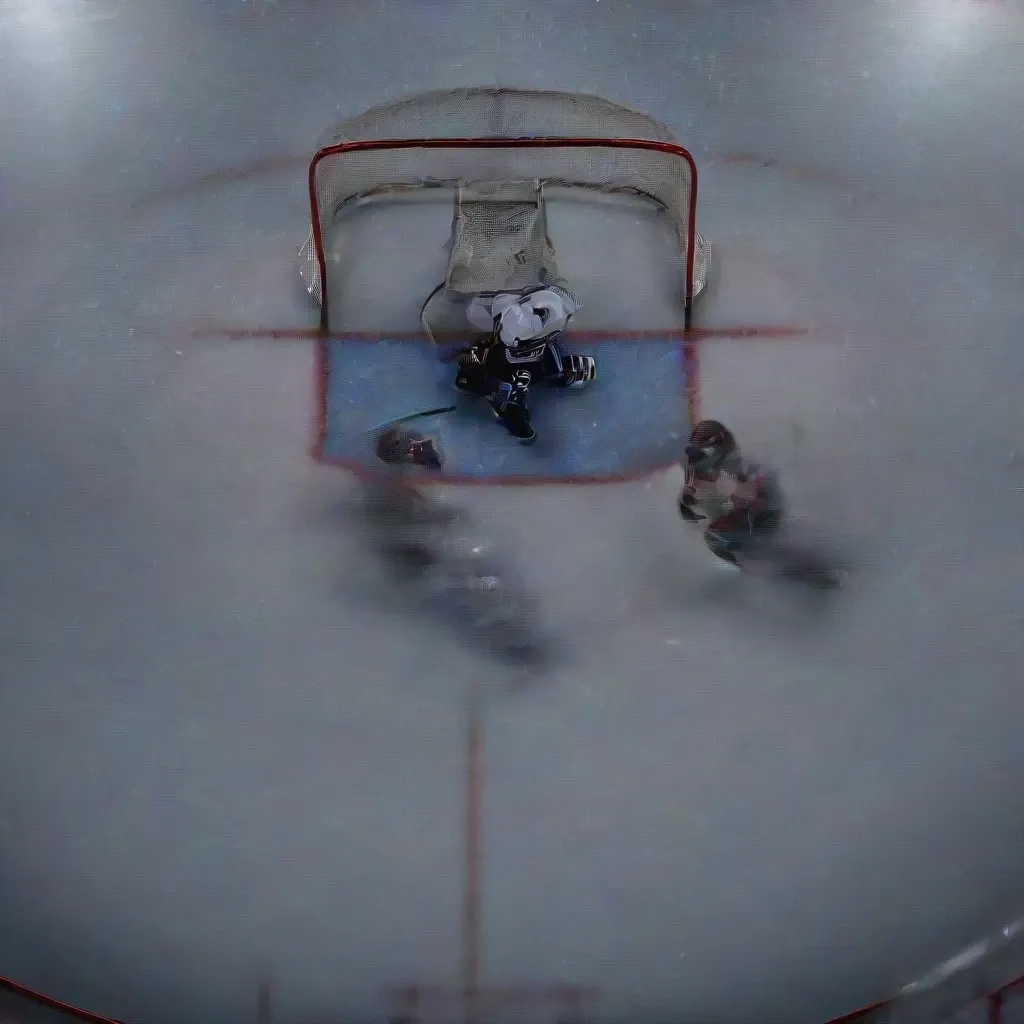
Imagine this: the clock is winding down in the third period, your team’s clinging to a one-goal lead. A desperate clear attempt from your exhausted defenseman sails the length of the ice. Icing. Groans erupt from your bench. That whistle isn’t just a momentary pause; it’s a strategic gut punch.
The critical connection between icing and line changes often gets overlooked, but it’s a pressure point in hockey. Icing, while seemingly a minor infraction, throws a wrench into a team’s ability to substitute players. When a team ices the puck, they are prohibited from making a line change before the ensuing face-off in their defensive zone. This seemingly small restriction can lead to significant player fatigue, especially late in a game or during extended penalty kills. Suddenly, those tired legs are stuck on the ice, vulnerable to a fresh, energized opponent.
Coaches constantly wrestle with this risk-reward scenario. Do you risk the icing to gain temporary respite, even if it means trapping your weary players? Or do you attempt a controlled play, risking a turnover in your own zone? It’s a high-stakes calculation that demands split-second decision-making.
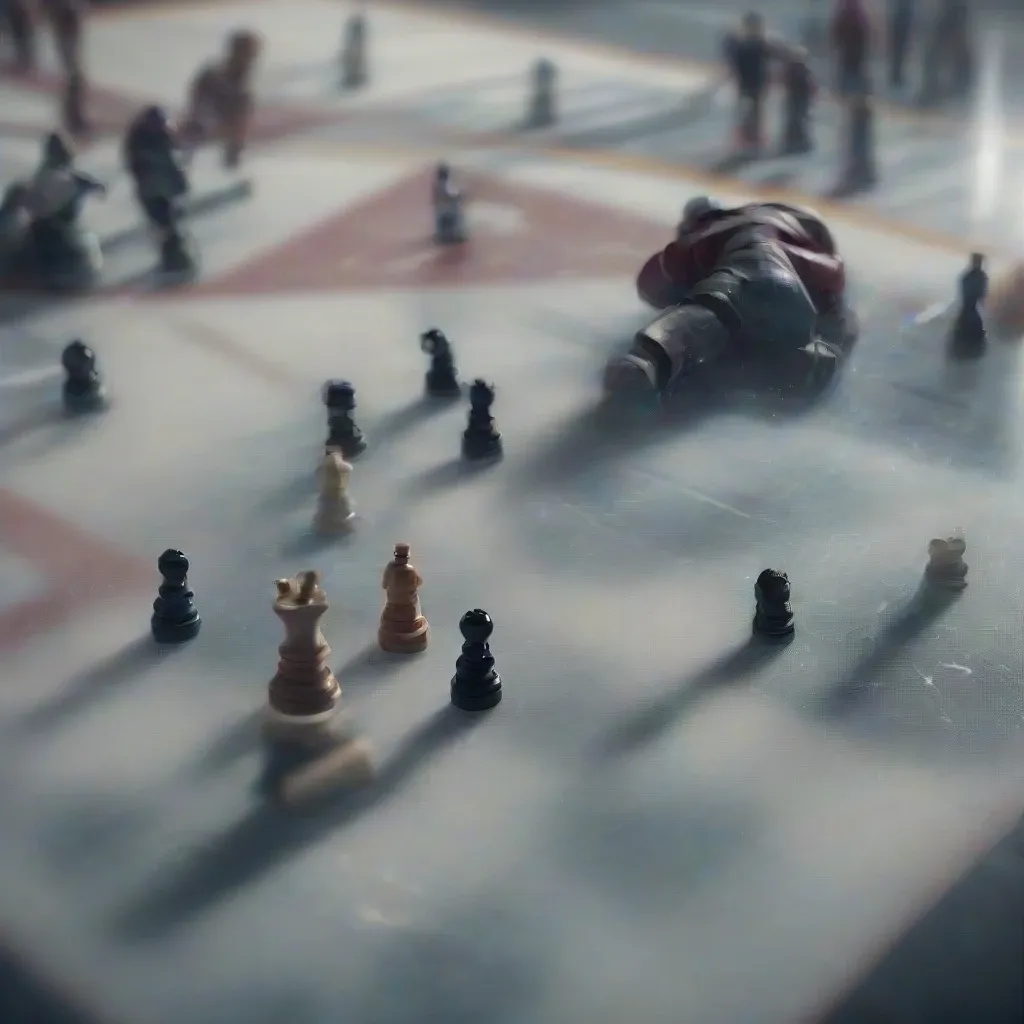
Situational awareness is key. For instance, a team leading by a significant margin might be more willing to accept an icing call to run down the clock. Conversely, a team trailing late in the game might avoid icing at all costs, prioritizing fresh legs to generate offensive pressure. Understanding this nuanced interplay between icing, line changes, player fatigue, and game momentum is crucial for both players and fans alike. Mastering this aspect of the game could be the difference between victory and defeat; a game of chess on ice.
Defensive Zone Clear Strategies Under Pressure
Winning puck battles in the defensive zone is only half the battle. What follows – the ability to execute effective defensive zone clears under pressure – is where hockey sense truly shines. The constant threat of icing adds another layer of complexity, forcing split-second decisions and demanding precise execution.
Several strategies exist for clearing the defensive zone, each with its own risk-reward profile. Rimming the puck along the boards is a classic tactic, aiming to send the puck deep into the offensive zone. However, accuracy is critical; a weak rim can easily lead to a turnover or, worse, an icing call. Stretch passes, long bombs intended to spring a forward for a breakaway, are high-risk, high-reward. A successful stretch pass can create an instant scoring opportunity, but an errant pass is almost guaranteed icing.
Controlled breakouts, emphasizing puck possession and short, accurate passes, are increasingly favored in today’s game. These breakouts require patience and strong puck-handling skills, as well as excellent communication. The goal is to methodically advance the puck out of the zone, minimizing the risk of turnovers and icing. This approach demands composure, particularly under intense forechecking pressure.
The shadow of icing looms large over every decision. A rushed clear attempt, born out of panic, is a recipe for disaster. The player positioning is very important, when you are in the defensive zone. Defenders must be keenly aware of their proximity to the center red line and the location of opposing players. Communication is paramount; a quick shout to warn a teammate about an impending icing situation can make all the difference.
While icing can feel like a purely negative outcome, it can present a small advantage. Following an icing call against your team, the ensuing face-off takes place in your defensive zone. A face-off win provides a fresh opportunity to establish possession and initiate a more controlled breakout.
Exploiting the Icing Rule: Strategic Plays
Savvy hockey teams understand that the icing rule isn’t just a penalty for lazy play; it’s a chess piece on the ice. They strategically exploit it to gain a competitive edge, turning a potential disadvantage into an opportunity. This involves a delicate dance of either forcing icing situations when it benefits them or skillfully avoiding it when under pressure.
One prevalent strategic play involves forcing icing late in the neutral zone. Imagine this: a team is exhausted and needs a breather. With a quick line change already in motion, a player dumps the puck deep into the opposing zone just before crossing the center red line. This seemingly innocuous play not only buys valuable seconds for fresh legs to hit the ice, but also pins the opposing team deep in their own zone, disrupting their offensive flow. By strategically shooting the puck, the other team is forced to play defense in their own zone.
Conversely, avoiding icing requires precision and foresight. Teams often employ well-timed stretch passes to a player streaking down the ice. The goal? To have that player collect the puck before it crosses the goal line, negating the icing call. This play can quickly transition defense into offense, catching the opposing team off guard and potentially leading to a scoring opportunity. Smart players know when to dump the puck and when to pass it to an open teammate.
These strategic plays aren’t without risk. A poorly executed dump-in can result in a turnover, giving the opposition possession in a dangerous area. A mistimed stretch pass could lead to an icing call, negating any potential offensive advantage. The risk-reward calculation is crucial, and coaches constantly analyze the game situation to determine the optimal course of action. In some instances, particularly on power plays, a team might intentionally ice the puck if they are struggling to set up their offensive attack. This allows them to regroup, make necessary adjustments, and restart the play from a face-off deep in the offensive zone – a calculated gamble to regain control.
Coaching Philosophies & Icing Decisions
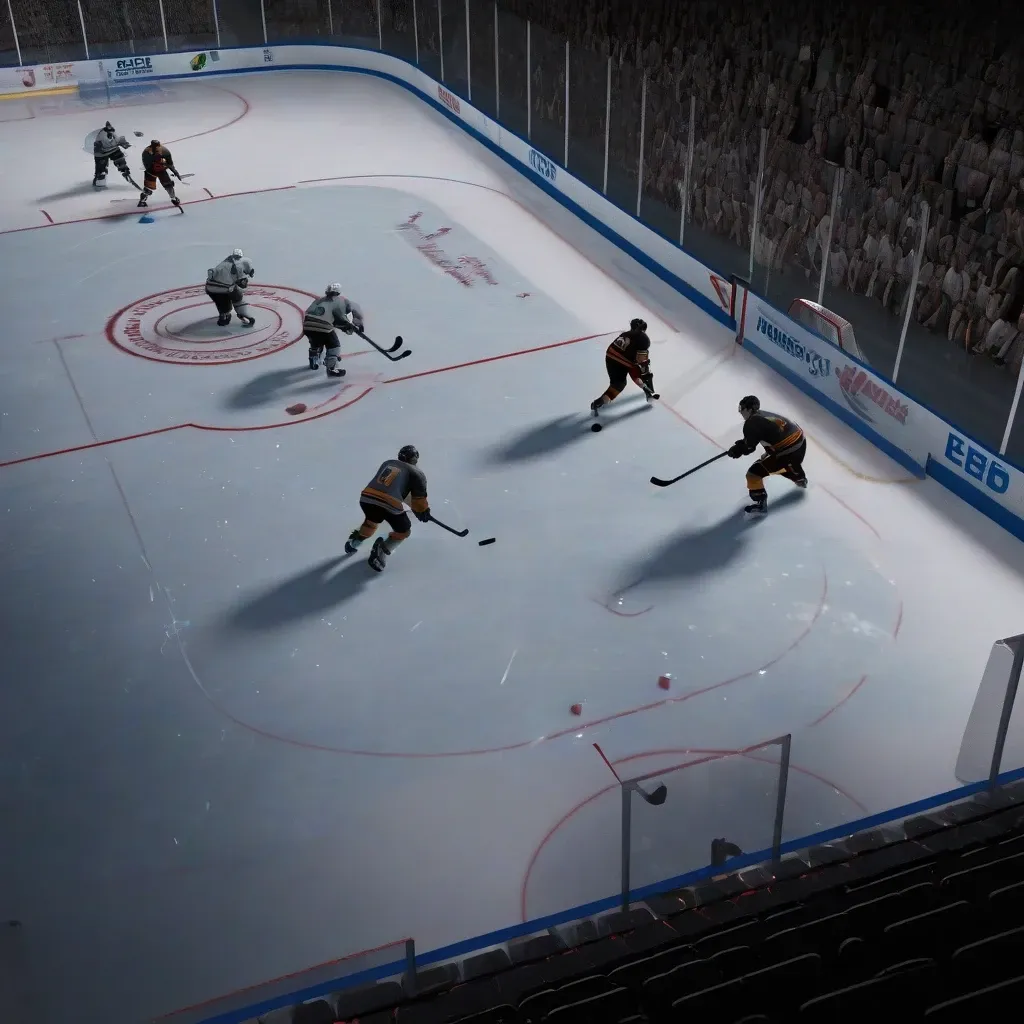
A coach’s philosophy casts a long shadow, influencing everything from player deployment to defensive strategies, and nowhere is this more palpable than in icing decisions. It’s a high-stakes game of risk assessment played out in real-time, with the potential for momentum shifts and game-changing consequences.
Some coaches operate under the principle of minimizing risk. They view icing primarily as a way to escape pressure and reset, particularly when fatigue sets in or when pinned deep in their own zone. For these coaches, icing becomes a safety valve, a pragmatic choice rooted in preventing scoring opportunities against rather than creating them for. Player deployment mirrors this philosophy; reliable, defensively-minded players are often favored in situations where icing is a likely outcome. The message is clear: protect the lead, control the damage.
On the other side of the spectrum reside coaches who embrace a more aggressive approach. They see icing not just as a defensive maneuver, but as a potential opportunity to exploit weaknesses in the opposition’s forecheck or to catch them in a vulnerable line change. These coaches might be more inclined to gamble, trusting their team’s ability to win the ensuing face-off and generate offensive pressure. Their player deployment reflects this boldness, with skilled puck-movers and offensive-minded players getting the nod in crucial icing situations. This philosophy hinges on the belief that calculated risks can yield significant rewards, even if it means occasionally surrendering possession deep in their own end.
Ultimately, the most effective coaches are those who can adapt their icing strategies to the specific circumstances of the game. Factors like score, time remaining, opponent’s tendencies, and even individual player matchups all play a role. Regardless of the underlying philosophy, the ability to make sound, informed icing decisions is a hallmark of effective game management and a crucial component of any successful team.
Advanced Tactics: Reading the Play and Skater Fatigue
Ice hockey is a game of chess played at breakneck speed. Skilled players aren’t just reacting; they’re anticipating the next move, reading the subtle cues in skater positioning and movement to predict scoring chances or defensive breakdowns. This advanced awareness allows them to make split-second decisions that can dramatically shift the momentum of the game. It gives an advantage to their team.
One crucial aspect of this is recognizing skater fatigue. Imagine this scenario: a defenseman, after a long shift in his zone, is caught on the ice as the opposing team launches a quick counterattack. His tired legs might be a split-second slower, his reactions dulled, creating an opportunity for the attackers to exploit the gap and create a high-danger scoring chance. Conversely, a savvy forward might recognize a tired defenseman on the other team and use aggressive tactics to force a turnover in his zone. Recognizing these moments of vulnerability, brought on by skater fatigue, is a critical component of effective game management and puck management.
Fatigue factors can stem from a number of areas. Players may be coming off of an injury, creating a lack of endurance. Other players may be at the end of a long shift, or even towards the end of a gruelling season. Teams that are aware of skater fatigue can implement defensive strategies and aggressive tactics designed to counter these moments, leading to increased scoring opportunities, and a greater opportunity to win.
Conclusion
In the fast-paced world of the NHL, mastering the nuances of icing, executing seamless line changes, and implementing strategic defensive zone clears can be the difference between victory and defeat. These aren’t just rules or routine plays; they are integral components of a team’s overall strategy, impacting game momentum and providing a critical competitive edge.
Understanding NHL icing rules allows teams to strategically disrupt the opponent’s attack, gain valuable territory, and create crucial face-off opportunities. Effective line changes ensure fresh players are always on the ice, maintaining a high level of intensity and preventing fatigue from hindering performance. A well-executed defensive zone clear not only thwarts scoring chances but can also transition the play, quickly turning defense into offense.
These elements, when executed with precision and understanding, contribute significantly to a team’s ability to control the game, wear down opponents, and ultimately, achieve sustained success in the NHL. By applying these insights, fans and aspiring players alike can deepen their appreciation for the strategic depth of hockey and gain a sharper understanding of how teams compete at the highest level.
Stay tuned for more in-depth analyses and expert insights on hockey strategy. Dive deeper into the game, and discover how a comprehensive understanding of these intricate plays can enhance your enjoyment and knowledge of the sport.